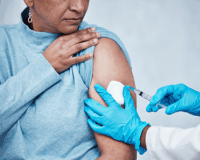

Why Hajj and Umrah vaccine?
Embarking on a pilgrimage to Hajj or Umrah is a profound spiritual journey. However, it requires careful preparation, especially regarding health. Vaccinations are a crucial part of this preparation. They protect pilgrims from infectious diseases. Understanding the vaccine requirements is essential. The Saudi government mandates specific vaccines for all pilgrims. These include the meningitis and COVID-19 vaccines. Compliance ensures a safe pilgrimage for everyone involved.
Finding a vaccination centre nearby is the first step. Many local healthcare providers offer these vaccines. Specialised travel clinics also cater to pilgrims. It’s important to book appointments well in advance.
Vaccines should be administered at least two weeks before travel. This allows time for immunity to develop. Pilgrims should carry vaccination certificates as proof. These documents are vital for entry into Saudi Arabia. Staying informed about vaccine updates is crucial.
Health guidelines can change based on global trends. Pilgrims should consult official sources regularly. This ensures they meet all health requirements. Vaccination is not just a personal responsibility. It protects the larger community of pilgrims. By getting vaccinated, pilgrims contribute to a safe and blessed journey.
Understanding Hajj and Umrah Vaccine Requirements
Embarking on a pilgrimage requires knowledge of specific health mandates. For Hajj and Umrah, vaccinations are a key requirement. The crowded nature of the pilgrimages raises health risks, making vaccines essential.
The Saudi Ministry of Health sets out clear guidelines. These ensure the safety and well-being of millions of pilgrims. Adhering to these guidelines is not just about compliance; it’s about protecting lives. Several vaccines are compulsory for those attending Hajj or Umrah. Among these, the meningitis vaccine stands out. This vaccine helps prevent the spread of meningococcal disease, which thrives in crowded settings.
In addition to mandatory vaccines, some are highly recommended. These include influenza, hepatitis A and B, and polio vaccines. They provide additional layers of protection against various illnesses.
Vaccination requirements may vary by country. Pilgrims should verify with their local health authorities. They should ensure they meet both local and Saudi guidelines. This is crucial for a seamless travel experience.
Here are key vaccines required or recommended for pilgrims:
- Meningitis vaccine (mandatory)
- COVID-19 vaccine (mandatory)
- Influenza vaccine (recommended)
- Hepatitis A and B vaccines (recommended)
- Polio vaccine (recommended)
Consulting with healthcare professionals is advised. They can offer guidance tailored to individual health needs. They also provide important advice on vaccine schedules.

Getting vaccinations early is crucial. Experts recommend this to ensure full immunity before travel. It’s best to schedule vaccinations at least two weeks prior to departure. This allows time for any unforeseen complications.
Keeping up-to-date with vaccination records is equally important. Pilgrims should have their documentation translated into English or Arabic. This simplifies checks at borders and enhances compliance.
Understanding these requirements ensures a focus on the spiritual aspect of the pilgrimage. It allows pilgrims to concentrate on their journey with peace of mind.
Why Vaccines Are Essential for Hajj and Umrah Pilgrims
Vaccinations play a pivotal role in the safety of pilgrims. The immense congregation during Hajj and Umrah presents unique health challenges. Close quarters and diverse attendees enhance the risk of disease spread.
The need for vaccines is driven by the potential for infectious outbreaks.
Disease can rapidly transmit among individuals in such dense environments. Vaccination provides a crucial shield against this possibility.
Travelling to Hajj and Umrah involves exposure to various climates and health risks. Vaccinations protect against diseases like meningitis and COVID-19. These are notably spread through respiratory droplets in crowded places.

Beyond personal safety, vaccinations protect fellow pilgrims and the global community. Preventive measures help limit the transmission of infectious diseases. This shared responsibility underscores the collective effort required for health security.
The benefits of vaccination go beyond immediate health protection. Consider the following impacts:
- Provides individual immunity against infectious diseases.
- Reduces the potential for outbreaks in crowded settings.
- Protects vulnerable groups within the pilgrim population.
- Enhances overall public health during the pilgrimage
- Aligns with global health efforts to control disease spread.
Staying informed about required vaccines is critical for a successful pilgrimage. Pilgrims should engage with healthcare providers to address any concerns. Understanding and fulfilling these health prerequisites allows for a focus on spiritual fulfilment without health worries.
Mandatory Vaccines for Hajj and Umrah: What You Need to Know
 To ensure a safe pilgrimage experience, certain vaccines are mandatory for Hajj and Umrah. The Saudi Ministry of Health enforces these requirements to protect pilgrims from infectious diseases. Understanding these necessities helps in preparing efficiently for your journey.
The meningitis vaccine is a strict requirement for all pilgrims. Meningitis poses a high risk in crowded environments, making it essential for those attending Hajj or Umrah. Vaccination should be completed at least ten days before travelling to allow immunity to develop.
Equally important is the COVID-19 vaccine, mandated to prevent the spread of the virus among pilgrims. This measure is particularly critical given the ongoing pandemic and the potential for new variants. It typically requires completion of the full vaccination protocol, including any necessary booster doses.
Other important vaccines include:
- Influenza: Protects against the flu, which can easily spread in crowded settings.
- Polio: Required for some countries to prevent potential outbreaks.
- Hepatitis A and B: Recommended due to the risk of transmission through food and water.
Pilgrims must present their vaccination certificates as proof of compliance when travelling. This documentation is necessary at checkpoints and may be requested by travel authorities. It’s wise to keep these certificates in a secure and accessible place.
In addition to mandatory vaccines, there are several recommended vaccines that enhance health protection:
- Typhoid: For areas with potential exposure to contaminated food or water.
- Rabies: Advised for pilgrims likely to interact with animals.
- Yellow fever: Required for travellers from countries with a risk of yellow fever transmission.
Vaccination protects not only individuals but also the community. Meeting these requirements is part of a broader commitment to public health. Pilgrims should check with healthcare providers for any additional vaccinations that might be necessary based on their country of origin.
Meningitis Vaccine for Hajj and Umrah
The meningitis vaccine is critical for Hajj and Umrah pilgrims. It prevents meningococcal disease, a serious infection that can spread rapidly in crowded conditions. This vaccine is not merely suggested but required for all international pilgrims.
Pilgrims should be vaccinated against meningitis at least ten days prior to their departure. This period allows the body to develop sufficient immunity to fight potential infections effectively. The vaccine remains valid for a period of three to five years, depending on the specific type administered.
When considering meningitis vaccination, there are multiple formulations available. Pilgrims should consult healthcare providers to determine which option best suits their needs. Factors such as age, medical history, and vaccine availability play a role in this decision.
It’s crucial to plan vaccination schedules well in advance of your journey. The process involves consulting healthcare providers, verifying vaccine availability, and scheduling timely appointments. Last-minute arrangements can lead to unnecessary stress and complications.
Understand the significance of this preventive measure with these points:
- Mandatory for entry into Saudi Arabia for Hajj and Umrah.
- Essential to prevent disease spread in densely populated areas.
- Provides long-term immunity, valid for several years.
- Available in different formulations to suit individual needs.
By adhering to these guidelines, pilgrims contribute to global health efforts. Meningitis poses a high risk due to its ease of transmission, and timely vaccination is an effective safeguard. It ensures not just individual safety but communal well-being.
COVID Vaccine for Hajj and Umrah
The COVID-19 vaccine is another essential requirement for pilgrims. In the wake of the pandemic, this mandate ensures the safety and health of the vast numbers attending Hajj and Umrah. It aims to curb virus transmission during this highly significant gathering.
The World Health Organisation recommends full COVID-19 vaccination for travellers. This includes completing the basic vaccination series and any advised booster jabs. Keeping up with booster recommendations is critical for maintaining strong immunity, especially in high-risk travel scenarios.
Documentation is key; pilgrims must carry proof of COVID-19 vaccination. Valid certificates should be presented at checkpoints, aiding in the verification process. Ensure your documents are in a format acceptable to authorities, typically in English or Arabic.
Selecting a suitable vaccination site is important. Consult local health services, travel clinics, or specialised centres to find locations offering the COVID-19 vaccine. Planning your appointment early avoids delays and ensures compliance with travel timelines.
Consider these important points about the COVID-19 vaccine:
- Protects against severe illness and virus spread in crowded settings.
- Required documentation ensures smooth entry into pilgrimage sites.
- Booster doses enhance and prolong immunity against variants.
- Global health organisations recommend and validate its necessity.
Adhering to COVID-19 vaccination requirements not only safeguards individual health but supports collective safety. This proactive approach aligns with global public health strategies and contributes to the successful continuation of religious pilgrimages.
Other Recommended Vaccines for Pilgrims
Besides mandatory vaccines, several other vaccinations are highly recommended for pilgrims. These enhance protection against various regional diseases and improve overall health security during your journey.
Influenza vaccination is particularly advised due to the high transmission risk in crowded conditions. Getting this vaccine can prevent flu outbreaks, which are common in densely populated gatherings like Hajj and Umrah.
Additionally, the following vaccines are recommended:
- Hepatitis A and B: Protects against these viruses, which can be spread through contaminated food and water.
- Typhoid: Especially important for travellers at risk of consuming unsafe water or food.
- Yellow Fever: Necessary for travellers from regions where yellow fever is endemic.
It is also suggested to consider vaccines such as rabies, particularly if you plan to interact with animals during your travels. Though rabies vaccination is not widely required, it offers precautionary protection in specific contexts.
Using a personalised approach, assess which vaccines best suit your health needs. Consult a healthcare provider to evaluate personal risks and regional health concerns. Ensuring vaccinations are up-to-date solidifies your health preparedness for a safe pilgrimage.
By making informed choices about vaccination, you not only protect yourself but also contribute to the well-being of the global pilgrim community.
How to Find Hajj and Umrah Vaccine Near Me
Locating a vaccination centre near you involves a bit of research. First, start by consulting local healthcare providers. They often have information on nearby clinics offering Hajj and Umrah vaccines.
The internet is an invaluable resource for finding vaccination centres. Use online tools such as search engines or map services to identify nearby clinics. Search queries like “Hajj and Umrah vaccine near me” are particularly useful.
Another effective method is to check with your local community centres or mosques. They often have arrangements or partnerships with healthcare services to facilitate group vaccinations for pilgrims. Social media platforms can also be helpful, providing community-based recommendations and experiences.
Moreover, many countries have designated travel clinics that specialise in vaccines for international travellers. These clinics are well-versed with Hajj and Umrah vaccine requirements and typically provide comprehensive services.
Contact your national health department for official guidance. They often list approved vaccination centres and may offer details on state-sponsored vaccination programmes. Some governments even subsidise vaccines for pilgrims to encourage their participation.
For your convenience, here are some ways to locate vaccination centres:
- Consult local healthcare providers for recommendations.
- Use online search engines and maps to find nearby clinics.
- Engage with community centres or mosques for local advice.
- Check social media for testimonials and suggestions.
- Contact national health departments for official lists.
With a variety of resources at your disposal, locating a vaccine centre becomes simpler. The key is to start early and explore multiple avenues. This ensures you secure a timely appointment, allowing for a smooth travel process.
Tips for Booking Your Vaccination Appointment
Booking a vaccination appointment doesn’t need to be complicated. Begin by identifying nearby centres offering Hajj and Umrah vaccines. Prioritise those with good reviews and accessible locations. Once you’ve identified potential sites, the next step is to schedule your appointment. Contact the centre directly by phone or email. This allows you to verify vaccine availability and discuss any questions you might have.
Many clinics offer online booking systems. These platforms enable you to choose the best available time slot at your convenience. For centres without such systems, walk-in options may be available, but always call ahead to confirm.
To streamline your booking process, keep these tips in mind:
- Verify vaccine availability with the centre before booking.
- Utilise online systems for convenient appointment scheduling.
- Prepare necessary documents, such as ID and vaccination history.
By preparing in advance, you can avoid last-minute stress. Planning ensures that your vaccination aligns with your travel schedule. Swift Pharmacy has many local branches in the Bradford, Sheffield and surrounding areas. Why not book a Hajj and Umrah vaccination with one of our friendly team?
What to Expect at Your Vaccination Centre
Visiting a vaccination centre can be straightforward when you know what to expect. On the day of your appointment, arrive a few minutes early. This extra time allows for the completion of any necessary paperwork.
During your visit, you will often begin with a brief health assessment. Healthcare providers will ask about your medical history and any current symptoms. This step ensures you’re fit to receive the vaccine.
by CDC (https://unsplash.com/@cdc)
After receiving the vaccine, you’ll be asked to wait briefly in a designated area. This observation period is a precautionary measure in case of immediate side effects. It also provides an opportunity to ask any follow-up questions.
Here’s a quick overview of what happens during your visit:
- Arrive early to fill out required forms.
- Undergo a health assessment to confirm readiness.
- Post-vaccination observation ensures immediate safety.
Understanding these steps prepares you for a seamless experience at the vaccination centre. Clear communication with healthcare staff further enriches the visit, ensuring you leave well-informed and ready for your pilgrimage.
Preparing for Your Pilgrimage: Health and Safety Checklist
Preparation is key to a safe and rewarding Hajj or Umrah pilgrimage. Prioritise health and safety to ensure smooth travel and spiritual focus. Begin preparations several months in advance for the best results.
Your first step is to ensure all necessary vaccinations are completed. Verify that each vaccine was administered at least two weeks before departure. This allows your body to develop full immunity. Make sure your vaccination certificates are easily accessible, as they are required upon arrival in Saudi Arabia.
Next, consider other essential health preparations. Consult with your healthcare provider about any additional vaccines or medications you might need. It’s also wise to pack a personal medical kit containing basic items like painkillers and plasters.
For a holistic approach, focus on building your physical stamina. Engage in regular exercise to improve your fitness. Being physically prepared enhances your experience, as the pilgrimage involves considerable walking and physical activities.
Lastly, cultivate a practice of good hygiene habits to protect yourself and others. Frequent handwashing and using hand sanitisers are vital, especially in crowded areas.
Here is a basic travel preparation checklist:
- Complete all required vaccinations at least two weeks prior.
- Secure and organise vaccination certificates for travel.
- Prepare a personal medical kit with essentials.
Essential health habits:
- Increase physical activity to boost stamina.
- Emphasise hygiene practices throughout your journey.
Implementing these measures ensures that your pilgrimage is not only spiritually fulfilling but also safe and healthy. Keep informed about any travel advisories or health updates from official sources to remain prepared for any unexpected changes.
Frequently Asked Questions About Hajj and Umrah Vaccines
Many pilgrims have questions about vaccines required for Hajj and Umrah.
Understanding these requirements helps ensure a smoother pilgrimage experience. Here are some common inquiries and their answers.
1. Which vaccines are mandatory for Hajj and Umrah?
The meningitis vaccine is mandatory for all pilgrims. The COVID-19 vaccine is also required to protect against outbreaks. Additional vaccines, whilst not required, are recommended for added safety.
2. How far in advance should vaccinations be completed?
Vaccinations should be completed at least two weeks before your departure. This timing ensures your body has developed the necessary immunity. Planning ahead helps avoid any last-minute issues.
3. Can vaccination requirements change?
Yes, vaccination requirements can change due to health advisories or emerging diseases. It’s important to stay informed through official channels like the Saudi Ministry of Health. Checking regularly helps keep your preparations on track.
Here are some other questions people often ask:
- Is my previous meningitis vaccination still valid?
- Are there different types of COVID-19 vaccines accepted?
4. What should I do if I have a medical condition preventing vaccination?
Consult with your healthcare provider if you have medical concerns. They can advise on alternative measures for protection. Some pilgrims may be exempt but will need official medical documentation.
5. Where can I find more information?
Your local health department, healthcare providers, and travel clinics are great resources. They can offer guidance tailored to your specific situation. Staying informed is a shared responsibility for a safe pilgrimage.
Staying Updated: Changes in Vaccine Requirements and Health Guidelines
Staying informed about the latest health guidelines is crucial for Hajj and Umrah pilgrims. These guidelines can change rapidly due to global health scenarios. Keeping abreast of changes ensures compliance and safety.
The Saudi Ministry of Health frequently updates their vaccine requirements. These updates are based on emerging health trends and international advisories. Regularly checking their website can provide the latest information.
In addition to official channels, consult with local health departments for updates. They often receive notifications about changes in international travel requirements. This can help you plan more effectively.
Here are some key points to track:
- Official updates from the Saudi Ministry of Health.
- Alerts from the World Health Organisation (WHO).
- Announcements from your country’s health department.
Staying proactive in your research prevents disruptions in your travel plans. Pilgrims should prioritise this as part of their overall preparation. A well-informed traveller is better equipped to handle unexpected changes.
Conclusion: Ensuring a Safe and Blessed Pilgrimage
Preparing for Hajj or Umrah is a spiritual journey that begins long before departure.
Vaccinations play a crucial role in ensuring a safe pilgrimage for everyone. By meeting the vaccine requirements, pilgrims contribute to public health and personal well-being.
Being well-prepared allows pilgrims to focus on the spiritual aspects of the journey. Vaccines protect you from diseases that might distract from your pilgrimage intentions. Therefore, staying informed and planning vaccinations early is vital.
Moreover, the act of getting vaccinated aligns with the broader principles of Hajj and Umrah. It reflects a commitment to ensuring a healthy environment for oneself and others. This dedication highlights the communal spirit inherent in these sacred rites.
Make sure to carry all necessary documentation with you, including vaccination records. This ensures smooth travel and adherence to health regulations. Through responsible action and preparation, pilgrims can partake in a rewarding and spiritually enriching experience.