

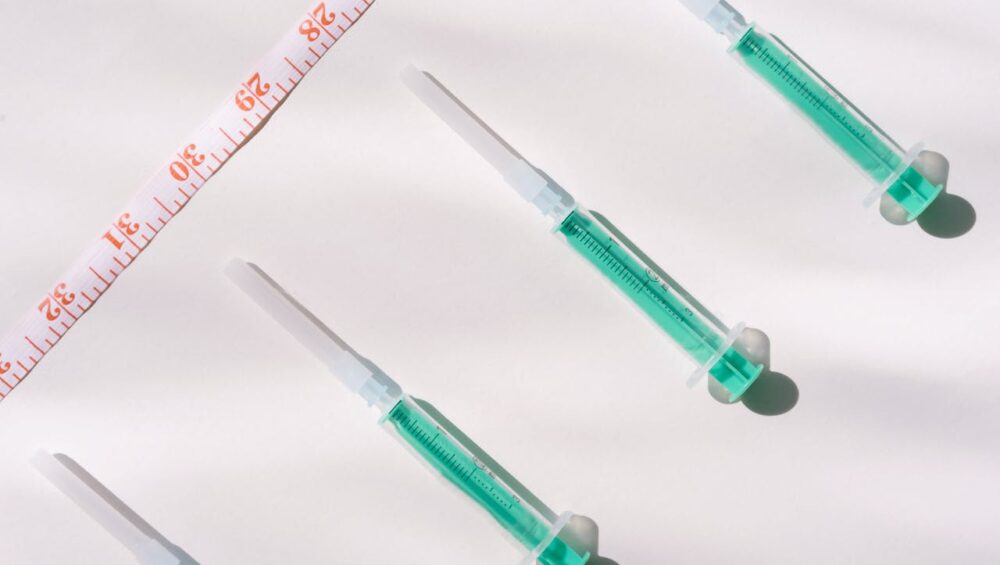
You see the headlines everywhere, but behind the buzz of modern weight loss jabs is a profound shift in medicine. When comparing popular weight loss injection options, many people ask “do weight loss injections work” and “how does weight loss injections work”—important questions that reflect growing interest in weight loss injections UK and weight loss injections NHS access. Losing weight has long been unfairly framed as a matter of pure willpower. However, experts now recognise that constant cravings—often called “food noise”—are actually biological signals rather than personal failures.
To understand how weight loss injections work, picture a biological thermostat in the brain. According to obesity researchers, medications called GLP-1 receptor agonists (hormone mimics) effectively turn down that hunger dial. Interestingly, manufacturers sell the exact same drug under two different names depending on whether it targets diabetes or obesity. Exploring active ingredients like Semaglutide and Tirzepatide reveals why clinical studies show users typically lose around 15% of their body weight.
Summary
This guide compares single-hormone semaglutide (Ozempic/Wegovy) with dual-hormone tirzepatide (Mounjaro/Zepbound), explaining how they reduce “food noise,” typical outcomes (~15% vs. ~20%+ weight loss), and why dual agonists can be more effective. It outlines UK access pathways, including NHS Tier 3 referral criteria (BMI ≥30, or ≥27 with co-morbidities) and private options with typical monthly costs. Practical tips cover weekly dosing routines, gradual titration, and managing common side effects with smaller meals, bland foods, hydration, and slow eating. A clinician-led plan is essential to select the right medication, arrange funding, track progress, and plan maintenance.
The Single-Messenger Approach: How Semaglutide (Wegovy) Signals the Brain to Stay Full
At the centre of the current weight loss revolution is an active ingredient called semaglutide. This medication acts as a hormone mimic, tricking the brain into feeling full. It is delivered via a subcutaneous injection—meaning a tiny jab given just under the skin. For those wondering how to use weight loss injections at home, these pens are designed for self-administration after proper training from a clinician; if you are asking “what is the best injection for weight loss at home,” your care team can advise whether this route is appropriate.
While the liquid inside the pen remains the same, doctors prescribe it under different labels depending on health needs:
- Ozempic: Approved for treating type 2 diabetes, typically utilising a lower maximum dose.
- Wegovy: Approved specifically for weight management, using higher doses to maximise appetite suppression.
Using weight loss injections effectively relies on routine. Because this is a once-weekly medication, sticking to a consistent schedule keeps hormone levels steady, quieting constant cravings and helping patients achieve sustained results. For clarity, these are not “fat burners injections” or cosmetic “fat reduction shots”—they are prescription medicines with evidence-based effects. If you are comparing popular weight loss injection options, discuss whether oral therapies (for those asking “what is the strongest weight loss prescription pill”) or non-prescription aids like slimming patches or slimming patches UK fit into your plan; evidence for patches is limited compared with GLP-1s.
Single-hormone treatments set a massive clinical benchmark, but medical research is already moving forward. Comparing Wegovy and Zepbound reveals that targeting a second biological messenger can unlock even greater results.
The Multi-Tool Advantage: Why Tirzepatide (Mounjaro/Zepbound) Targets Two Hormones for Greater Efficacy
If standard injections are a hammer hitting a single hunger switch, the newest options operate like a power tool. Medications containing tirzepatide—sold as Mounjaro and Zepbound—take a “dual agonist” approach, activating two separate biological pathways instead of just one.
The Tirzepatide versus Semaglutide mechanism of action differs through a second hormone mimic called GIP (Gastric Inhibitory Polypeptide). While both drugs use GLP-1 to signal fullness, adding GIP creates a uniquely powerful combined effect on digestion and satiety:
- Single-Hormone (GLP-1 only): Slows how fast food leaves the stomach and turns down baseline appetite.
- Dual-Hormone (GLP-1 + GIP): Amplifies the feeling of fullness while helping the body process sugars more efficiently, which often minimises side effects like nausea.
Because of this two-pronged attack on cravings, doctors frequently prescribe these newer injections when a single-hormone treatment hits a plateau. Clinical trials reveal patients can lose 20% or more of their total body weight over a year and a half. Although the average monthly weight loss percentage on Mounjaro varies by individual, this dual action typically delivers deeper, faster results for those struggling with severe obesity. If you are searching “is Mounjaro available on NHS” or “Mounjaro UK NHS,” note that availability for weight management continues to evolve; always check current NICE and local NHS guidance.
Figuring out which treatment suits specific needs ultimately depends on individual health profiles and local availability. With surging demand for dual-action options and Mounjaro NHS interest, accessing and qualifying for these medications is a crucial next step.
Navigating the NHS and Private Access: How to Qualify for Weight Loss Jabs in the UK
Securing weight loss injections on NHS prescriptions can feel like navigating a maze. While headlines make them sound readily available, health guidelines strictly prioritise those at the highest medical risk. Instead of simply asking a GP for a prescription, patients generally need a referral to a “Tier 3” weight management service—a specialised NHS clinic providing intensive dietary, medical, and psychological support. People often ask “how to get weight loss injections on NHS” or even “how can I get weight loss injections on NHS”; the short answer is referral-based assessment and meeting clinical criteria.
To qualify under the current Mounjaro NHS criteria and rules for similar drugs, patients must meet specific physical thresholds. Doctors evaluate eligibility based on:
- A Body Mass Index (BMI) of 30 or higher.
- A lower BMI of 27 or higher if there are weight-related health conditions—known clinically as co-morbidities—such as Type 2 diabetes or high blood pressure.
Because the practical steps matter, common questions include: can GP prescribe weight loss injections? In many areas, a GP initiates referral to Tier 3 services and may prescribe within local pathways; policies vary by region. Is Mounjaro available on NHS specifically for weight loss? Criteria are set nationally by NICE, then implemented locally—check the latest guidance for how to qualify for Mounjaro NHS or how to get Mounjaro on NHS if your clinic follows updated protocols. Provision may differ across England, Scotland, Wales, and weight loss injections Northern Ireland pathways.
Since specialist wait times often stretch for months, many people explore private weight loss injections. This route bypasses the strict Tier 3 requirements but typically costs between £150 and £300 monthly out of pocket. Whether paying privately or accessing weight loss jabs at pharmacies NHS through partnered programmes, securing the medication is just the beginning. If you are looking for “weight loss shots near me,” verify the provider is regulated and follows evidence-based protocols. Preparing for the physical changes ahead makes it vital to manage the adjustment period and daily side effects.
Managing the ‘Adjustment Period’: Practical Tips for Handling Side Effects and Daily Life
The initial adjustment phase relies on physically slowing “gastric emptying”—how fast food leaves the stomach. Medical experts confirm that weight loss injections are safe when used as directed—so if you’re wondering “are weight loss injections safe UK” or “are weight loss jabs safe,” the answer depends on proper screening, dosing, and monitoring. Clinics use “titration,” a gradual dose increase helping the body adapt. Steady pacing also prevents rapid loss that can contribute to cosmetic concerns, ensuring healthy weight loss.
Managing common side effects of weight loss shots requires four proactive daily habits:
- Eat smaller portions to accommodate a slower digestion rate.
- Choose bland foods during temporary nausea spikes.
- Drink extra water to fight off constipation.
- Follow the “Eat Slow” rule to prevent fullness discomfort.
Your Practical Action Plan: Moving to Medical Consultation
Identifying the right candidate for medical weight loss injections empowers informed health decisions. When consulting a doctor about prescription weight loss options, bring these top five questions to a GP or pharmacist before starting treatment:
- Which medication matches my medical history?
- What are the potential side effects?
- How will this be funded, whether privately or via the NHS?
- How will we track progress?
- What is the maintenance plan once the target weight is reached?
True success extends beyond a quick drop on the scales; it is about lasting vitality and sustainable health management. Working closely with healthcare professionals ensures these medical tools are used safely and effectively, whether you access weight loss injections NHS services or pursue private pathways. Ultimately, comparing popular weight loss injection options with your clinician will help you decide if Wegovy, Zepbound, or Mounjaro NHS pathways are appropriate for your circumstances.
Worried about choosing the right one? Book a consultation with one our qualified pharmacists!
Q&A
Question: Do weight loss injections really work, and how do they quiet “food noise”?
Short answer: Yes—these medicines mimic gut hormones that signal fullness to the brain, turning down the “hunger dial.” GLP-1 receptor agonists act like a biological thermostat, reducing cravings by slowing how quickly the stomach empties and dampening baseline appetite. In clinical studies, people on single-hormone semaglutide commonly lose around 15% of their body weight, while dual-hormone options like tirzepatide can reach 20% or more over roughly 18 months. They are prescription treatments that address biology, not “willpower.”
Question: What’s the difference between Ozempic and Wegovy, and which might I be prescribed?
Short answer: Both are brand names for semaglutide, but they’re licensed for different uses and doses. Ozempic is approved for type 2 diabetes and typically uses a lower maximum dose; Wegovy is approved for weight management and uses higher doses to maximise appetite suppression. Both are once-weekly, self-administered injections (after clinician training). They are not “fat burner” or cosmetic shots—just evidence-based prescription medicines.
Question: How is tirzepatide (Mounjaro/Zepbound) different from semaglutide, and what results can I expect?
Short answer: Tirzepatide is a dual agonist that targets GLP-1 and a second hormone, GIP. The GLP-1 pathway reduces appetite and slows gastric emptying; adding GIP can amplify fullness and improve sugar handling, which may also help minimise nausea for some. Because of this two-pathway action, tirzepatide often achieves deeper, faster weight loss—commonly 20% or more—especially when people plateau on single-hormone therapy. NHS availability for weight management is evolving, so check current NICE and local guidance.
Question: How do I qualify for weight loss injections on the NHS, and can my GP prescribe them?
Short answer: Access is usually via referral to a Tier 3 weight management service, which assesses clinical need. Typical eligibility: BMI ≥30, or ≥27 with weight-related conditions (e.g., type 2 diabetes, high blood pressure). A GP often initiates the referral and may prescribe within local pathways, but policies vary by region and are guided by NICE. Provision differs across the UK, and waits can be long. Private routes bypass Tier 3 criteria but typically cost £150–£300 per month—always use regulated providers following evidence-based protocols.
Question: What side effects should I expect, and how can I manage the “adjustment period”?
Short answer: Early on, these medications slow gastric emptying, which can cause nausea, fullness, or constipation. Clinics use gradual “titration” to help your body adapt and to avoid overly rapid weight loss. Day-to-day strategies include: eating smaller portions, choosing bland foods during nausea spikes, drinking extra water to prevent constipation, and eating slowly to reduce discomfort. With proper screening, dosing, and monitoring, these injections are considered safe; a clinician-led plan is essential for choosing the right drug, arranging funding, tracking progress, and planning maintenance.
Check out benefits of weight loss injections
Why not check out benefits of weight loss injections!