

Benefits of the Chicken Pox Vaccine
Chickenpox is often seen as an itchy childhood illness, but it can be much more disruptive and, for some people, dangerous. The chicken pox vaccine, also called the varicella vaccine or varicella shot, helps the immune system spot varicella, the virus that causes chickenpox, so the body can react faster if it is exposed. For families, that means fewer hard days, fewer complications, and better protection for people who should not catch the infection.
Why does the chicken pox vaccine matter?
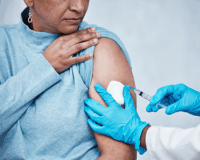
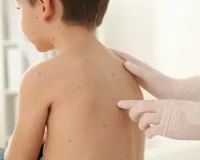
The chicken pox vaccine matters because it lowers the chance of catching chickenpox and, if a vaccinated person does become infected, the illness is usually milder. Chickenpox can lead to skin infections, pneumonia, and brain inflammation, with higher risks for babies, pregnant people, adults, and anyone with a weakened immune system. Vaccination gives protection without needing to go through the disease itself. (gov.uk)
Many people still think of chickenpox as a normal part of growing up. In reality, normal does not mean harmless. A child with chickenpox may miss nursery or school, parents may need time away from work, and the infection can spread before everyone realises what is happening.
The vaccine also supports wider community protection. When fewer people catch and spread varicella, there are fewer chances for the virus to reach those at greater risk of severe illness.
The main health benefits
The clearest benefit is protection against a highly contagious infection. The CDC says two doses of varicella vaccine are about 90% effective at preventing chickenpox, while one dose is highly effective against severe disease. That does not mean breakthrough infections never happen, but it does mean vaccination greatly improves the odds of avoiding the illness or having a much lighter case. (cdc.gov)
Vaccination can also help prevent some of the most worrying complications. Chickenpox spots can become infected, especially when scratching breaks the skin. Some people develop chest complications, and rare nerve complications can occur. Reducing infection reduces these risks at the source.
There is also a comfort benefit that should not be ignored. Chickenpox can mean fever, tiredness, sleepless nights, itching, scabbing, and the stress of keeping a child isolated. Avoiding that experience is valuable for children and for the adults caring for them.
Key benefits include:
- Lower risk of chickenpox: vaccination makes infection much less likely.
- Milder illness if it occurs: vaccinated people who catch chickenpox often have fewer spots and less severe symptoms.
- Reduced risk of complications: fewer infections means fewer chances for serious outcomes.
- Less disruption: families may avoid days of discomfort, childcare problems, and missed work.
- Protection for vulnerable people: lower spread helps shield those who are more likely to become seriously ill.
Who may benefit most from vaccination?
 Children benefit because they are often exposed to chickenpox in nurseries, schools, and social settings. In England, from 1 January 2026, children are offered MMRV, a combined measles, mumps, rubella and varicella vaccine, as part of the routine childhood vaccination schedule, with doses at 12 months and 18 months. Schedules vary by country, so parents should follow local guidance or speak to a healthcare professional. (gov.uk)
Older children, teenagers, and adults who have not had chickenpox and are not already immune may also benefit. Chickenpox can be more severe outside early childhood, and adults are more likely to develop certain complications such as pneumonia. This is why vaccination status can matter before starting some jobs, living with vulnerable relatives, or planning pregnancy.
Some people cannot receive a live varicella-containing vaccine, including certain people with weakened immune systems. For them, the benefit often comes indirectly: if close contacts are protected, the chance of exposure can fall. This is one reason household vaccination talks can be important when someone is clinically vulnerable.
Is the chicken pox vaccine safe?
The chicken pox vaccine has been widely used and is watched by public health bodies, but like any vaccine it can cause side effects. Common reactions are usually mild, such as soreness where the injection was given, fever, or a mild rash. Serious reactions are rare, and healthcare professionals can advise on timing and whether it is a good fit, or on any reasons to delay or avoid vaccination. (cdc.gov)
It is especially important to get individual advice if the person being vaccinated is pregnant, may be pregnant, has a weakened immune system, is taking immune-suppressing medicines, or has previously had a serious allergic reaction to a vaccine ingredient. These situations do not mean a conversation is impossible; they mean it needs proper clinical guidance.
If you are comparing the risks of vaccination with the risks of infection, remember that chickenpox itself is not risk-free. Public health guidance generally weighs the mild, expected side effects of vaccination against the potential complications of the disease.
Practical reasons families choose vaccination
Health protection is the main reason, but day-to-day ease matters too. Chickenpox can arrive suddenly and create a week or more of upheaval, especially when siblings catch it one after another. Vaccination reduces the chance of that domino effect.
Parents often value the vaccine because it helps with:
- Child comfort: avoiding intense itching, fever, and broken sleep.
- Family routine: reducing disruption to school, childcare, and work.
- Household protection: lowering the risk of bringing chickenpox home to a vulnerable relative.
- Planning: helping prevent exposure before travel, family events, or contact with newborns.
- Peace of mind: knowing a preventable illness is less likely to cause complications.
If you are searching for chicken pox vaccine information because your child has an upcoming appointment, it is worth checking which vaccine is being offered, how many doses are needed, and what to expect afterwards. Keeping a written record of doses also helps later, particularly for school forms, travel health checks, or employment in healthcare and childcare settings.
What to ask before booking
A short conversation with a GP, nurse, pharmacist, or local immunisation service can clear up most concerns. Try to bring any vaccination records and mention previous infections, allergies, current medicines, and medical conditions.
Useful questions include:
- Is this vaccine recommended for my child or for me? Who can get it depends on age, location, previous infection, and health history.
- How many doses are needed? Many schedules use two doses for strong protection.
- What side effects should I expect? Ask what is normal and when to seek help.
- Are there any reasons to delay it? Recent illness, pregnancy, or immune system issues may affect timing.
- How does it fit with other vaccines? Some vaccines can be given together, while others may need spacing.
A sensible step towards prevention
The chicken pox vaccine is not simply about avoiding an itchy rash. It is about lowering the risk of infection, preventing avoidable complications, and protecting people who could become seriously unwell if exposed. For many families, that mix of personal and community benefit makes vaccination a practical, reassuring choice.
If you are unsure, use reliable public health information and speak to a qualified healthcare professional who knows your circumstances. A clear conversation can help you make a confident decision based on risk, who can get it, and the vaccination schedule where you live.
Why not Book a chicken pox vaccination with Swift Pharmacy today!
Frequently Asked Questions (FAQs)
1. What is the chickenpox vaccine?
The chickenpox vaccine, also known as the varicella vaccine, is a vaccination that protects against the varicella-zoster virus, which causes chickenpox.
2. How many doses of the chickenpox vaccine are needed?
Most vaccination schedules recommend two doses of the chickenpox vaccine for optimal protection. The first dose is usually given between 12-15 months of age, with a second dose administered between 4-6 years.
3. Is the chickenpox vaccine safe?
Yes, the chickenpox vaccine is considered safe and effective. Like all vaccines, it can have side effects, but the vast majority are mild and temporary.
4. Can adults receive the chickenpox vaccine?
Yes, adults who have never had chickenpox or have never received the vaccine should consider getting vaccinated, as the illness can be more severe in older individuals.
Input (British English):
What should I do if I think my child has chickenpox?
If you suspect your child has chickenpox, it is essential to consult a healthcare professional for guidance on care and to confirm the diagnosis.
6. Where can I get the chickenpox vaccine?
You can receive the chickenpox vaccine at various healthcare providers, clinics, and chemists. For convenience, you can book your chickenpox vaccination at Swift Pharmacy.
7. Are there any reasons to delay vaccination?
Vaccination may be delayed if the individual is currently ill, pregnant, or has a weakened immune system. It’s best to discuss any concerns with a healthcare provider.
Feel free to add or adjust any questions as needed!