
As the great British summer occasionally surprises us with scorching temperatures, enjoying the sunshine safely becomes a top priority. While lounging in the garden or heading to the beach is delightful, the risks associated with extreme temperatures are very real. Preventing Heatstroke During Hot Weather requires a solid understanding of how our bodies react to severe heat, the warning signs to look out for, and the actionable steps we can take to stay cool and well.
Understanding Heat-Related Illnesses: Exhaustion vs Heatstroke
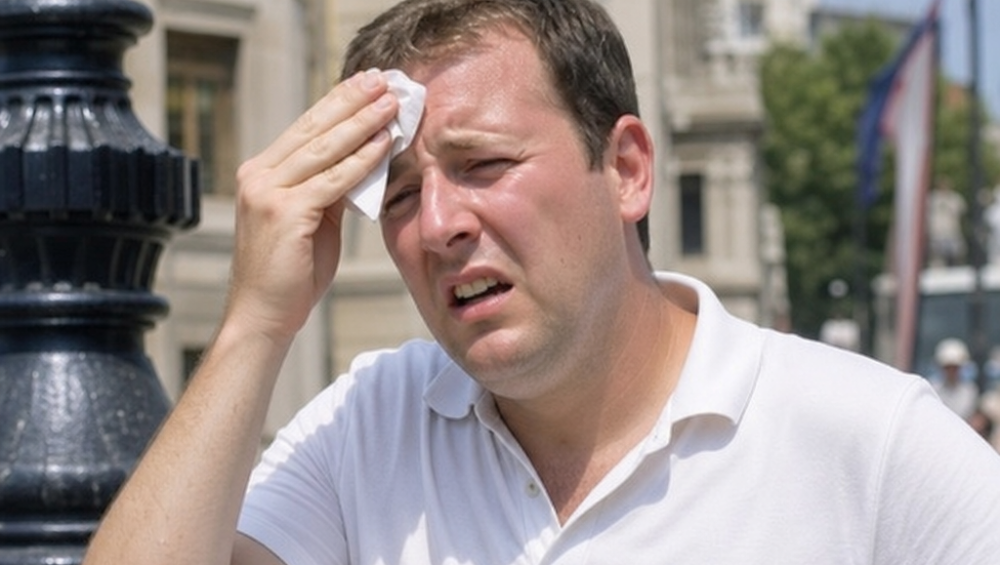
When the temperature soars, your body works overtime to cool itself down, primarily through sweating. If this system fails, you can quickly succumb to heat-related illnesses. Knowing the early symptoms of heat exhaustion is your first line of defence. Keep an eye out for excessive sweating, dizziness, rapid pulse, and recognizing signs of dehydration such as dark urine and extreme thirst. You might also experience an overwhelming sluggishness, often referred to as fatigue heat.
If you ignore these heat fatigue signs and symptoms, the condition can escalate. It is vital to understand heat exhaustion vs heatstroke symptoms. While heat exhaustion is manageable with prompt cooling and hydration, heatstroke is a life-threatening medical emergency.
Typical heat stroke symptoms—also frequently searched as heatstroke symptoms, sun heat stroke symptoms, or heat stroke sun stroke symptoms—include a body temperature above 40°C, confusion, slurred speech, and noticeably hot, dry skin (though sweating can still occur in some cases). These severe heat stroke manifestations require immediate medical intervention. And to clarify a common medical query: understanding heat stroke and stroke is important, as they are not the same. A classic stroke is caused by a blockage or bleed in the brain, whereas sun stroke is entirely environmental.
The Gastrointestinal Impact: Can Heat Stroke Cause Diarrhoea?
A lesser-known but highly uncomfortable aspect of heat illness relates to the gut. People frequently ask, does sunstroke cause diarrhoea? Alternatively, you might wonder, can heat stroke give you diarrhea? The answer to both is yes.
When your core temperature rises dangerously high, the body diverts blood flow away from the gastrointestinal tract towards the skin to aid cooling. This ischaemia (lack of blood flow) can irritate the gut lining. Therefore, if you are asking does heat stroke cause diarrhea or can sunstroke cause diarrhoea, the medical consensus confirms it can. Gastrointestinal distress, including nausea, vomiting, and heat stroke diarrhea, are documented sun stroke symptoms. Even in milder cases, when folks ask can sunstroke give you diarrhea or can heat stroke cause diarrhea, it serves as a stark reminder that extreme heat affects the whole body, not just your body temperature.
How Long Do Heat Exhaustion and Sunstroke Last?
Recovery times vary significantly depending on the severity of the illness.
- Heat Exhaustion: How long does heat exhaustion last? If caught early, resting in a cool place and rehydrating can resolve heat exhaustion symptoms within a few hours. However, can heat exhaustion last for days? Yes. If you have been severely dehydrated, how long can heat exhaustion last might stretch to two or three days of lingering weakness.
- Heatstroke: If the condition progresses, you might wonder how long does a heatstroke last? Or, how long does a heat stroke last? Because it is a systemic shock to the body, how long can heat stroke last is a matter of days or even weeks under hospital care. When asking how long can sun stroke last or how long can sunstroke last, bear in mind that patients often experience heightened sensitivity to hot weather for months following the initial event.
Immediate Action: How Do You Treat Heat Stroke?
If you suspect someone is suffering from heatstroke, you must act immediately. But how do you treat heat stroke effectively while waiting for an ambulance?
According to guidelines from the nhs heatstroke, nhs heat stroke, and nhs sun stroke pages, you should call 999 immediately. While waiting for paramedics, you must apply emergency first aid for hyperthermia.
- Move the person to a cool, shaded area.
- Remove unnecessary clothing.
- Focus on how to cool down body temperature quickly: sponge them with cool water, fan them vigorously, and place ice packs wrapped in a cloth on their neck, armpits, and groin.
- Do not give them anything to drink if they are unconscious or confused, to prevent choking.
Practical Prevention Strategies for Hot Weather
Preventing severe illness means respecting the heat and adjusting your daily routines.
Hydration and Nutrition
How much water to drink in extreme heat depends on your size and activity levels, but aiming for 2.5 to 3 litres a day is a good baseline. Don’t just drink plain water; focus on electrolyte imbalance prevention. When you sweat, you lose vital salts. Replenish them with sports drinks, coconut water, or a slightly salty snack.
Dressing for the Heat
Ditch heavy cotton and opt for the best moisture-wicking fabrics for summer, such as synthetic blends or lightweight merino wool. These materials pull sweat away from your skin, allowing it to evaporate and cool you down much faster.
Safe Outdoor Practices
Avoid dangerous outdoor activities during peak sun hours, typically between 11 am and 3 pm. If you must be active, follow strict heat-safe exercise guidelines: work out early in the morning, reduce your intensity, and take frequent breaks.
Furthermore, get into the habit of understanding the heat index—which combines air temperature and relative humidity to determine how hot it actually feels. For those managing outdoor sports or work, keeping an eye on wet bulb globe temperature safety levels is even better, as this metric accounts for temperature, humidity, wind speed, and solar radiation.
Protecting the Vulnerable and Staying Prepared
 Always look out for high-risk groups for heat-related illnesses. The elderly, infants, pregnant women, and those with chronic illnesses struggle to regulate their body temperature efficiently and need extra care during a heatwave.
It is highly recommended to assemble essential items for a heat emergency kit. Keep this kit stocked with oral rehydration sachets, cold compresses, a reliable thermometer, a battery-operated fan, and extra bottled water.
Finally, if you don’t have air-con, you can still keep your living space bearable. Effective home cooling strategies without air conditioning include keeping curtains and blinds firmly closed in sun-facing rooms during the day. Once the temperature drops in the evening, open windows at opposite ends of the house to create cooling cross-draughts. Hanging damp flannels in front of a standard desk fan can also mimic a chilled breeze.
Surviving a summer heatwave safely is entirely possible with a bit of foresight. By respecting the sun, staying rigorously hydrated, and knowing exactly how to respond to the early signs of heat illness, you can enjoy the beautiful weather without putting your health at risk.
Frequently Asked Questions
Question: How can I tell the difference between heat exhaustion and heatstroke?
Short answer: Heat exhaustion features heavy sweating, dizziness, rapid pulse, dark urine, extreme thirst, and profound fatigue. It usually improves with rest, cooling, and hydration. Heatstroke is a medical emergency: look for a body temperature above 40°C, confusion, slurred speech, and hot, dry skin (though sweating can still occur). If you suspect heatstroke, call 999 immediately—unlike a classic stroke (caused by a brain blockage or bleed), sun/heatstroke is triggered by extreme environmental heat.
Question: Can heatstroke cause diarrhoea—and why?
Short answer: Yes. When core temperature rises dangerously, the body diverts blood from the gut to the skin to aid cooling. This reduced gut blood flow (ischaemia) irritates the gastrointestinal lining, leading to symptoms such as nausea, vomiting, and diarrhoea—even in some milder heat illnesses.
Question: How long do heat exhaustion and heatstroke last?
Short answer: Heat exhaustion can resolve within hours if treated early with rest and fluids, but lingering weakness can last 2–3 days if you were severely dehydrated. Heatstroke recovery can take days to weeks in hospital, and many people remain more sensitive to hot weather for months afterwards.
Question: What immediate first aid should I give for suspected heatstroke?
Short answer: Call 999 at once. While waiting for paramedics: move the person to a cool, shaded place; remove unnecessary clothing; cool them rapidly by sponging with cool water, vigorous fanning, and applying ice packs wrapped in cloth to the neck, armpits, and groin. Do not give anything to drink if they are unconscious or confused, to prevent choking.
Question: What are the most effective ways to prevent heat-related illness in hot weather?
Short answer: Hydrate with about 2.5–3 litres of fluids daily as a baseline and replace salts with electrolyte drinks, coconut water, or salty snacks. Wear moisture-wicking fabrics (synthetics or lightweight merino). Avoid peak sun (11 am–3 pm), reduce exercise intensity, and take frequent breaks. Monitor heat index—and, for outdoor work/sport, wet bulb globe temperature. Protect high‑risk groups (elderly, infants, pregnant people, and those with chronic illness). Prepare a heat emergency kit (oral rehydration sachets, cold compresses, thermometer, battery fan, extra water). Without air‑con, keep sun‑facing curtains closed by day; in the evening, create cross-draughts with opposite windows and use a fan with a damp flannel for a cooling effect.